
How Can You Spot Hidden Comfort Killers in Your Central Texas Home?
Water and air problems in a home usually start small. A strange smell, a little stain on the ceiling, or a room that never feels quite right can all be early warning signs. When we ignore those signs, small issues can turn into big headaches.
Spring in Central Texas brings wild temperature swings, heavy pollen, and sudden storms that test both the HVAC and plumbing systems. In this guide, we will walk through common red flags in your air and water, when to consider an indoor air quality inspection, and how seasonal care keeps your home safe and comfortable.
What Are Common Air Quality Red Flags You Should Never Ignore?
Your HVAC system has a way of telling you when something is off. Some signs are easy to spot if you know what to look for.
Watch out for:
- Dust that seems to come back right after cleaning
- Hot and cold spots in different rooms
- Musty or burning smells when the AC runs
- More coughing, sneezing, or asthma symptoms at home
These can point to:
- Dirty or clogged air filters
- Dust and debris inside ductwork
- Leaky ducts that waste cooled air
- An older system struggling in the Central Texas heat
When airflow is blocked or ducts are dirty, your AC has to work harder. That can mean less comfort and higher bills. If you notice uneven cooling or constant cycling, it might be time to have your system checked.
A professional indoor air quality inspection can help uncover:
- Pollen and dust that keep floating around
- Pet dander that sticks to surfaces
- Mold spores in damp areas
- Chemical fumes and other indoor pollutants
With that information, you can consider options such as improved filtration, air purifiers, duct cleaning, and humidity control to keep the air in your home cleaner and easier to breathe.
Which Plumbing Warning Signs Point to Bigger Problems?
Water issues often show up in small ways long before there is a major leak. Paying attention early can protect your home and your health.
Take note of:
- Discolored or cloudy tap water
- Low water pressure at several fixtures
- Slow drains or recurring clogs
- Gurgling sounds from drains or toilets
- Wet or soft spots on walls, ceilings, or floors
These signs may mean:
- Corroded or aging pipes
- Hidden leaks inside walls or under slabs
- Sewer line problems
- A failing water heater with rust or sediment buildup
Leaks and constant moisture can lead to mold growth, musty smells, and damage to drywall, flooring, and framing. Cloudy or rusty water can also affect drinking, cooking, and bathing. Any long-term drip or damp area should be treated as serious, even if it looks minor at first glance.
How Do Central Texas Seasons Trigger Air and Water Issues?
Spring and early summer in our area are tough on both HVAC and plumbing systems. Pollen, humidity, and storms all play a part.
For your HVAC system, seasonal stress can show up as:
- Coils coated in dust and pollen
- Units running longer to keep up with rising temps
- Systems that are slightly undersized struggle on hot afternoons
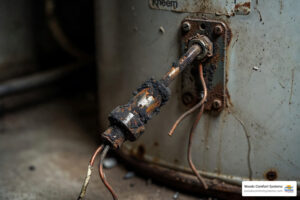
This is why many homeowners schedule a tune-up and indoor air quality inspection before high pollen and peak AC season. A checkup can catch loose electrical connections, dirty coils, low airflow, and other minor issues that can lead to breakdowns.
On the plumbing side, seasonal shifts can cause:
- Heavier water use in kitchens, bathrooms, and outside
- Heavy rains that stress sewer lines and drains
- Shifting soils that put pressure on the underground and slab pipes
A spring plumbing check can include leak checks, water heater inspections, and basic water quality testing. That way, issues can be addressed well before summer activities put extra demand on your system.
When DIY Isn’t Enough: Call HVAC or Plumbing Pros
There are a few simple checks many homeowners can handle, like:
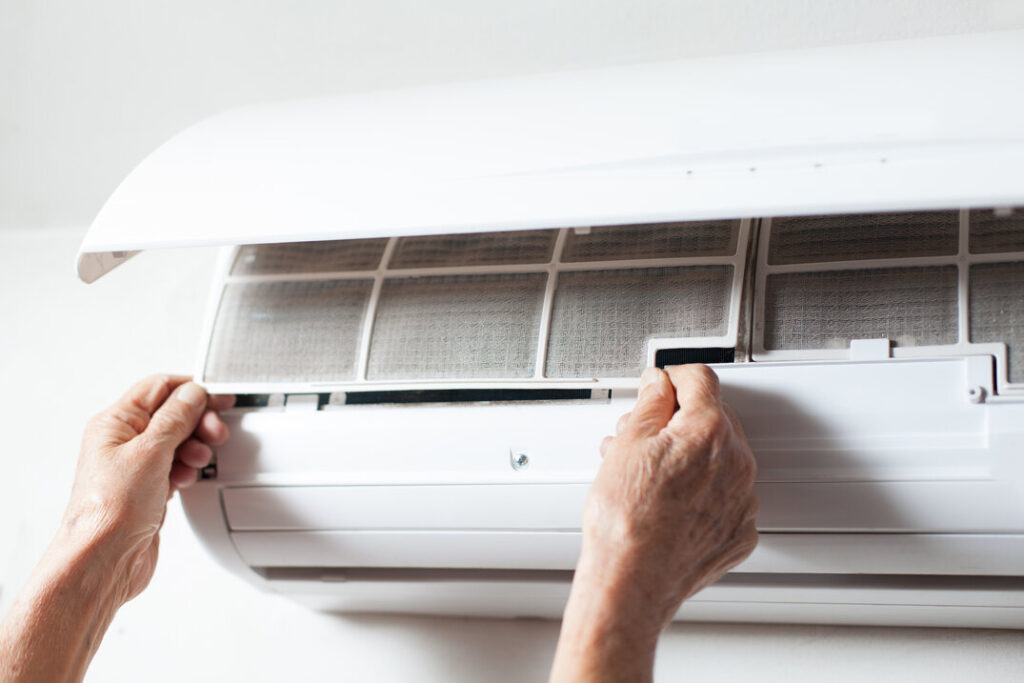
- Changing HVAC air filters on a regular schedule
- Looking at vents, registers, and faucets for visible issues
- Noting any new stains, damp spots, or musty smells
- Listening for new rattling, hissing, or banging noises
But some problems call for licensed professionals, especially when you notice:
- Persistent odors from vents or drains
- Systems that turn on and off very often
- Sudden jumps in water or electric bills
- Recurring drain backups or slow toilets
- Any sign of mold, bubbling paint, or sagging drywall
A combined look at your HVAC system, indoor air quality, and plumbing gives a whole-home picture of comfort, safety, and efficiency. For AC, that might mean an air conditioning service visit to check refrigerant levels, airflow, and ductwork. For plumbing, it could include camera inspections, pressure checks, and testing fixtures throughout the home.
FAQs About HVAC, Plumbing, and Indoor Air Quality
Breathe Cleaner, Healthier Air in Your New Braunfels Home
If you are concerned about dust, allergies, or lingering odors, our team can provide a thorough indoor air quality inspection tailored to your home. At Woods Comfort Systems, we identify issues at the source so you can make confident decisions about improving your air. Call us or contact us today to schedule a visit and start creating a healthier indoor environment for your family.